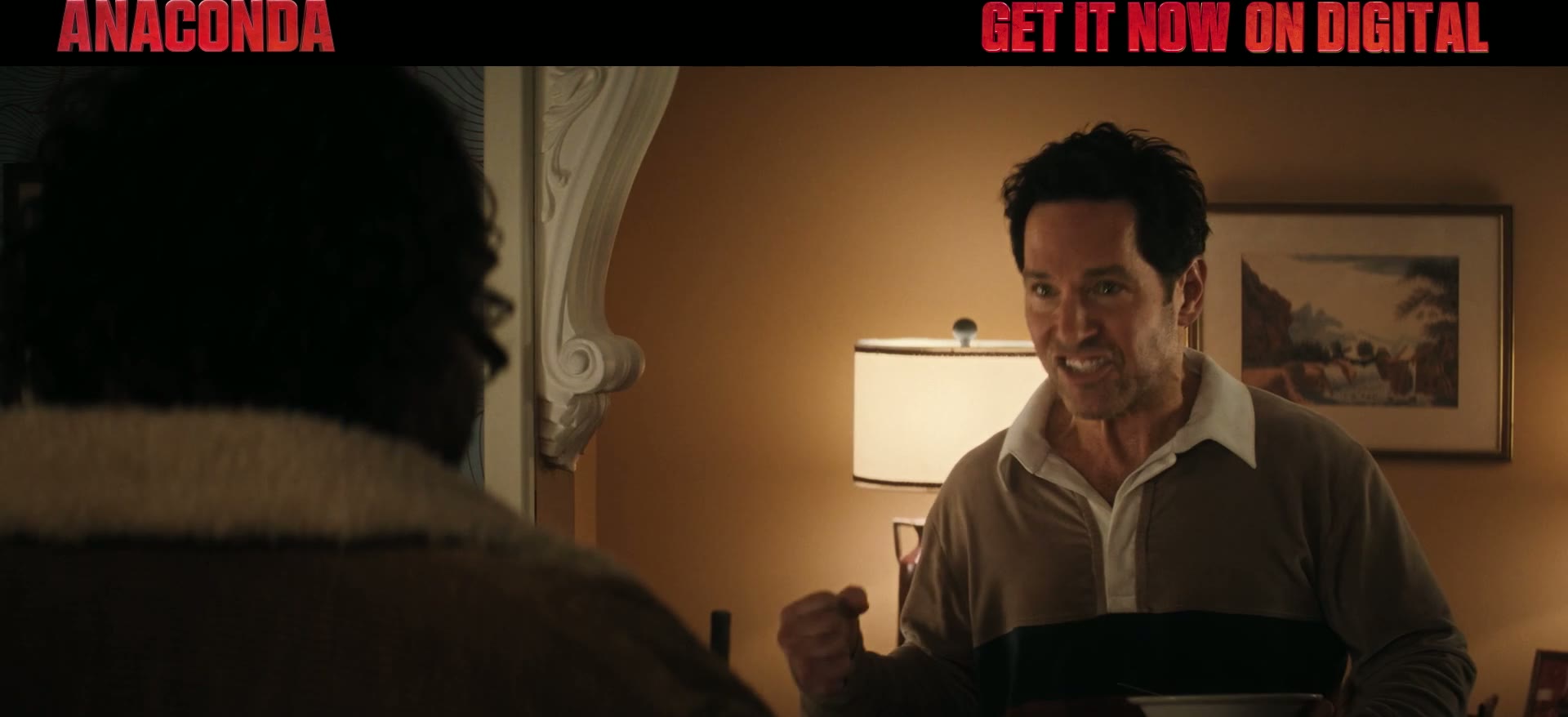
01 / 04 — Trailers, spots, sizzles, first looks.
Tease
Pace, tension, reveal, restraint. The first job is not to explain everything. It is to make the audience want the next piece.
Sections cut from other pages during the latest revision, kept here rather than deleted.
Entertainment campaigns need more than one asset. They need the right pieces at the right moments, cut for the way audiences discover, react, and share.
Jump builds the trailers, sizzles, social moments, campaign extensions, and finishing pieces that help stories move before, during, and after release.
Pace, tension, reveal, restraint. The first job is not to explain everything. It is to make the audience want the next piece.
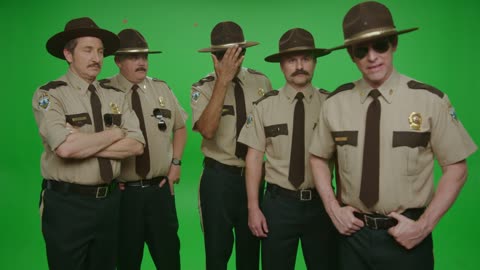
A campaign has to give the audience more than the title. Jump builds the pieces that add shape, character, world, and momentum before the full story arrives.
Entertainment moves when the audience feels like the piece was made by someone who gets it. The right joke, the right frame, the right left turn. That is where momentum starts.
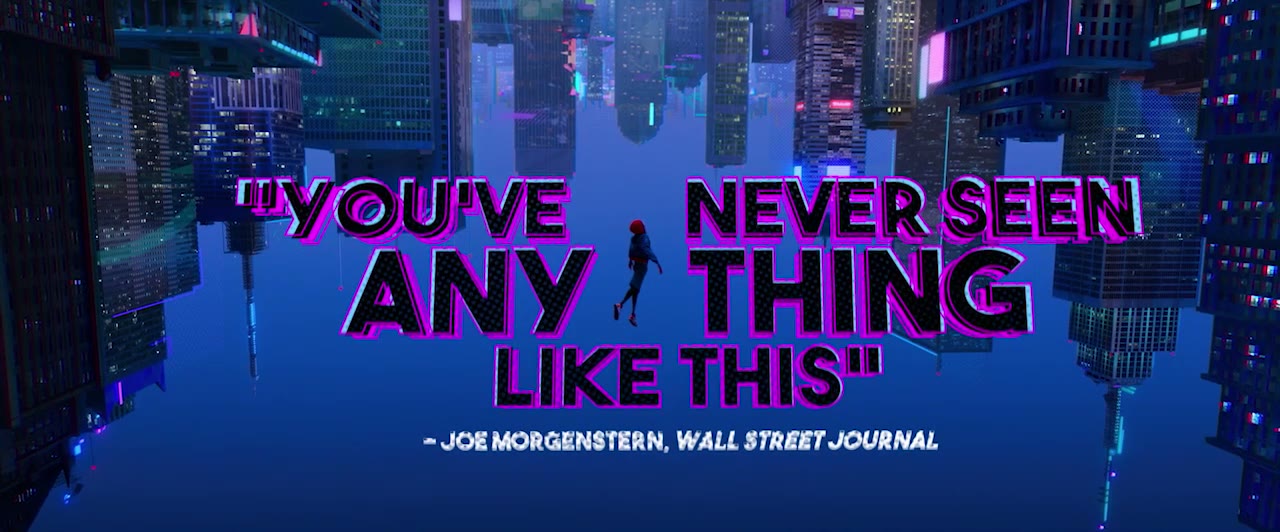
The last ten percent is usually where the work becomes real. Jump shapes the cut, finish, and final pieces that make the campaign feel intentional across every format.
Jump builds campaigns with enough taste to know the obvious move, and enough nerve to find the better one.
The best entertainment campaigns feel like they understand the audience from the inside. The right cut, the right frame, the right joke, the right left turn.
A brand campaign rarely lives in one place. The idea has to hold up as a hero film, a product cutdown, a vertical social piece, a paid variation, a still, a teaser, and a follow-up. Jump builds the idea so the versions still feel connected.
More assets. Less wallpaper.
Some briefs need more visual routes. Some need a product to feel alive. Some need a proof-of-concept before anyone knows what to shoot. Some need one idea to survive across formats.
AI gives us more ways in. Jump decides what belongs in the work.
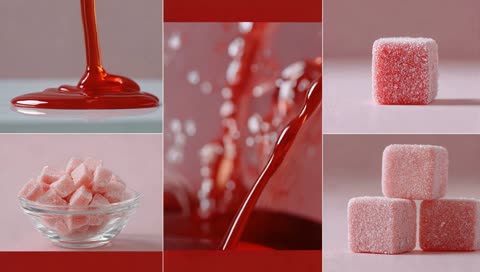
Explore looks, moods, and creative directions before production locks.
Turn products into premium visual stories, not just demos.
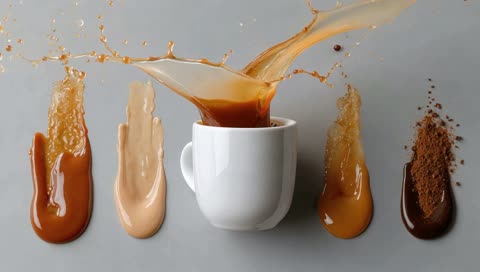
Make an idea feel real before the full production exists.
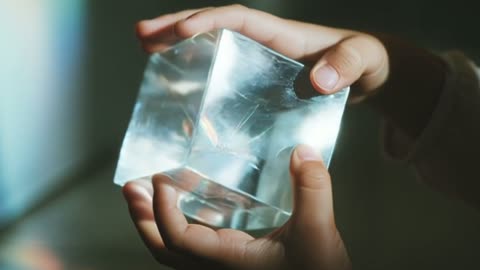
Extend one idea across formats, audiences, and use cases.
Use the production path the brief actually needs.
Every project starts with the same questions: What should the audience feel? What is the moment? What can we leave out? What makes this worth watching?
From there, the format can change: trailer, sizzle, product film, social campaign, AI-enabled piece, or something in between.
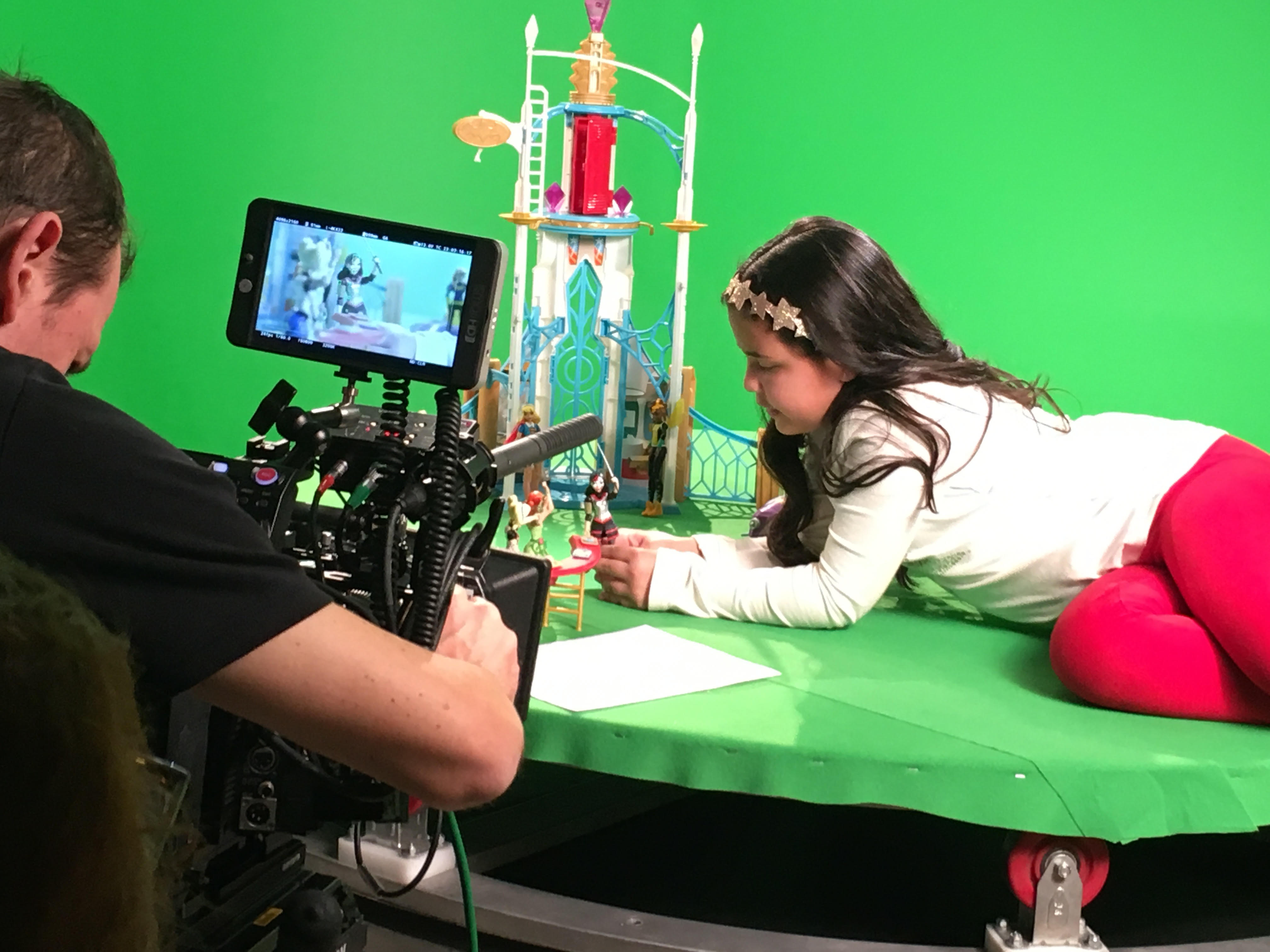
The process starts the same way the best work always starts: with the story, the audience, and what the piece needs to make someone feel.

Define the story, audience, constraints, and desired output.
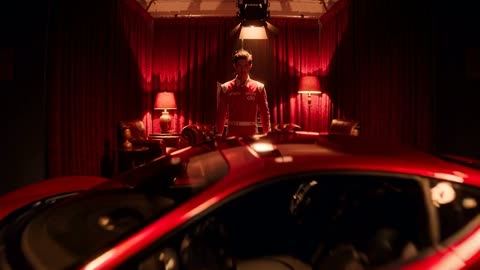
Explore visual directions, tone, references, and world logic.
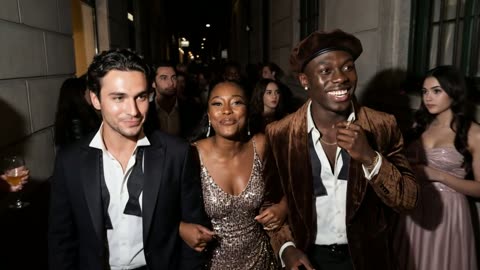
Build frames, motion tests, product moments, and proof assets.
Shape the best material into a piece that moves.
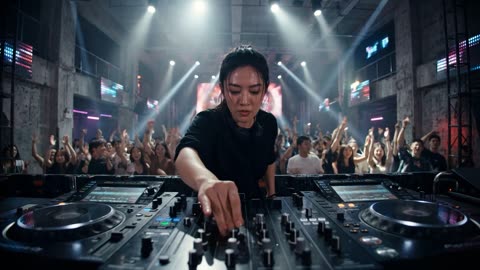
Adapt the idea across formats, platforms, and use cases.
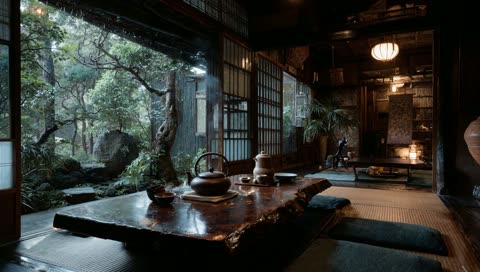
Polish the final pieces so the work feels intentional, not generated.
A viewer should not care whether a piece used footage, VFX, AI, or all of the above. They should care because it moved, clarified, sold, teased, or made them feel something.
That is the standard.